


It's the story about how a "crazy" inventor managed to figure out a clever way (yet relatively simple) to tap into the Free Energy Of Earth’s Magnetic Core and he transformed it into electricity. Just like they did back in ancient times. NO, it wasn't aliens. Civilization was pretty advanced around 5 thousand years ago or so - despite what most archeologists and professors would have you believe.
Soooo where did he pull this off? In his backyard!
How much energy can one store? Enough to get him off the grid for quite aome time.
How much work does it take? It's set and forget...
How complex is it to build? An 80-year-old grandma can do it in a few days...
Where can you see all the juicy details? It's right here:





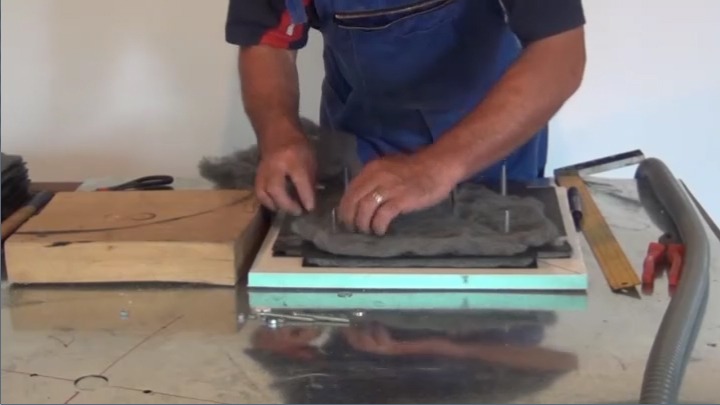



A group of rogue scientists have managed to extract harmonic energies from earth and convert them into clean, sustainable electricity that is supposedly accessible to all. These rogue scientists have taken the energy industry by storm as this breakthrough has even prompted NASA to dedicate a department to document it.
This previously untapped source of energy has been available since the dawn of time, but until now, no one had the insight to harness it.
The team created an innovative device that successfully captures this energy, yielding impressive results.
Word about this breakthrough is spreading fast amongst the elite but shrouded from the public eye, and media outlets are scrambling to track down these scientists as per usual. Those pesky reporters will cutthroat for the scoop, even if it means the scientists are being put at risk. It's common knowledge that innovators (along with whistleblowers) wind up going missing, committing "suicide" or meet an untimely death.
But, for now, the only way to learn about this groundbreaking discovery is by watching this video!




Get In Touch:
adm@boujeeburke.com
grievances: hbic@boujeeburke.com
Full disclosure: Some of the links on this site are affiliate links, which means if you click through and make a purchase, I earn a teeny-tiny commission (at no extra cost to you). It helps keep the lights on and the coffee flowing while I bring you legit promotions and handpicked gems—because nobody likes shady deals, least of all me. Disclosure: This site is part of a network of independently operated niche websites under the same ownership. Affiliate or monetized content is disclosed where applicable. Please feel free to reach out for inquiries, feedback, or partnership opportunities. Boujee Burke is open to suggestions, & mutually beneficial partnerships.